Why “It’s Just TV” Isn’t As Innocent As We Think
We all want to believe the shows we watch, the music we blast in the car, and the movies we cry over don’t affect us.
We tell ourselves:
“It’s just entertainment.”
“It’s not that deep.”
“I know it’s not real.”
But neuroscience, psychology, and your actual dating patterns would all disagree.
Humans are storytelling creatures.
We learn through imitation.
We internalize what we repeatedly see. And what we see on screens becomes the blueprint for what we expect in life, especially in love.
Before we ever experienced real heartbreak, real conflict, or real intimacy, we watched it on TV.
And one of the biggest contributors to millennial relationship expectations was a little sitcom about six friends living in New York City.
Let’s talk about the real impact of Friends and what it reveals about how ALL media shapes our relational responses.
The “Friends Effect”: When Dysfunction Becomes Normalized
We didn’t just watch Ross, Rachel, Chandler, Monica, Joey, and Phoebe.
We wanted to be them.
Their relationship patterns became the emotional wallpaper of our adolescence and young adulthood.
And because sitcoms are designed to soothe, entertain, and distract, our brains never questioned the relationship dynamics. We simply accepted them.
Take attachment styles, for example.
Ross: The Anxiously Attached

Ross needed constant reassurance.
He spiraled if he wasn’t chosen.
He viewed love through fear, jealousy, and insecurity.
Traits:
• Needs approval
• Reads rejection into EVERYTHING
• Hyper-focused on relationship status
• Clings when triggered
How this shaped us:
We learned that jealousy = love and
insecurity = passion.
Rachel: The Fearful-Avoidant

She runs when things get too real but hates being alone.
She wants closeness but gets overwhelmed by it.
She leaves, comes back, leaves again…
Traits:
• Hot and cold
• Sabotages when it gets serious
• Attracted to chaos
• Avoids deep emotional vulnerability
How this shaped us:
We learned to be terrified of choosing wrong, so we choose nothing.
Chandler — The Avoidant
Chandler is intimacy-phobic for most of the series. He uses humor to deflect, distance, and avoid vulnerability.
Traits:
• Terrified of conflict
• Emotionally inconsistent
• Bolts when things get too serious
• Numbs discomfort with humor
How this shaped us:
We began equating avoidance with charm, and commitment issues with “he’s just not ready yet.”
Monica — The Anxious Over-Functioner

Monica tries to control everything, including relationships. Her insecurity shows up as over-functioning and over-performing.
Traits:
• “If I’m perfect, no one will leave.”
• Overdoes emotional labor
• Clings to timelines
• Hyper-responsible
How this shaped us:
Women learned to try to earn love instead of receive it.
Joey — The Dismissive Avoidant
Joey doesn’t do intimacy at all.
He keeps relationships shallow, simple, and temporary.
Traits:
• Avoids emotional depth
• Prefers casual to committed
• Secure in independence, not connection
• Values freedom over intimacy
How this shaped us:
We normalized emotionally unavailable men as “lovable” and “funny,” not as unsafe partners.
Phoebe — The Only Secure One
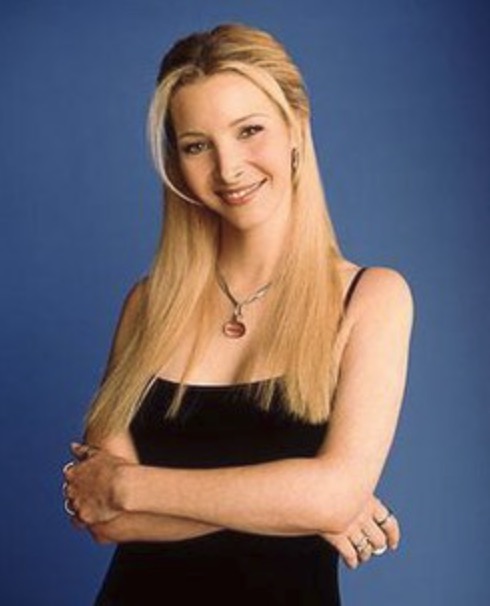
But she was treated as the eccentric weirdo, not the relationship role model.
These patterns didn’t stay on screen.
They imprinted themselves into how millennials date, attach, fight, commit, and choose.
But Friends is just one example.
Let’s zoom out.
The Deeper Truth: Media Teaches Us How to Love, Even When We Deny It
If you think media doesn’t shape you, consider this:
- TV taught us how love looks.
- Music taught us how love feels.
- Movies taught us how love should go.
- Social media now teaches us how love should perform.
Every generation is discipled by its entertainment.
Even if you say, “It’s just a song,” your nervous system doesn’t know the difference.
When you listen to breakup anthems (what I call “angry woman” songs) on repeat, your brain releases the same emotional chemicals as if YOU are heartbroken. When you watch chaotic, on-again-off-again couples, your body learns to associate unpredictability with passion.
When your favorite show rewards emotional unavailability with the guy/girl of their dreams, your subconscious registers that dysfunctional men or women are desirable.
This is why so many people feel “bored” with healthy love, it doesn’t match their entertainment-based emotional diet.
Let’s break down some of the biggest ways media shapes us:
1. Media Shapes Our Attachment Styles
We formed our ideas about:
- conflict
- communication
- commitment
- timelines
- gender roles
- emotional intimacy
before we ever got into a real relationship.
If your blueprint for love was:
- dramatic
- chaotic
- avoidant
- delayed
- sarcastic
- emotionally confusing
…it’s no surprise you’re drawn to patterns that feel familiar instead of healthy.
2. Media Trains Our Nervous System
We’re not just entertained, we’re conditioned.
Romantic movies reward:
- grand gestures
- instant chemistry
- soulmate destiny (lobsters)
- dysfunctional people who magically “grow up” at the perfect moment
TV rewires our tolerance for:
- mixed signals
- emotional games
- cycles of breakup-and-repair that aren’t real repair.
Music reinforces:
- longing without action
- drama without maturity
- heartbreak as identity
Your body learns to crave what your media rewards.
3. Media Distorts Our Expectations of Adult Life
Shows like Friends made adulthood look like:
- unlimited time
- endless community
- affordable apartments in NYC…ha!
- casual dating that magically turns serious
- zero consequences for avoidance, laziness, or immaturity
Real life?
Very different.
And many people hit 30 or 40 deeply confused about why their life doesn’t look like the scripts they ingested for 20 years.
4. Media Influences What We Think We Deserve
When men see emotionally immature characters get the girl, they internalize:
“I don’t need healing. I just need the right woman.”
When women see heroines settle for insecure or unpredictable partners, they internalize:
“Love is supposed to hurt before it works.”
When we hear songs glorifying toxicity, betrayal, endless longing, and settling… we internalize these as normal emotional states, even when we know better.
5. Media Shapes What We Look For — or Avoid — in Partners
Your “type” probably didn’t come from real life. It came from:
- the characters you crushed on
- the love stories you admired
- the songs you sobbed to
- the couples you watched repeat emotional cycles on screen
Your desires were curated by media long before real human love entered the picture.
6. Media Has Become the Modern Matchmaker — and Not a Good One
We live in the most:
- overstimulated
- emotionally unprepared
- comparison-driven
- conflict-avoidant
- romanticized-yet-cynical
dating culture in history.
Why?
Because our media diet has been:
- unrealistic
- avoidant
- anxious
- chaotic
- and designed for escapism, not preparation
We were trained to feel things, not to build things.
The Good News: You Can Rewrite Your Love Script
You are not doomed to repeat the patterns you consumed.
Awareness is the first step.
Healing is the second.
Intentionality is the third.
And this is the work I lead men and women through every single day as a relationship coach.
You can unlearn the chaos.
You can break the inherited relational scripts.
You can choose secure attachment.
You can build the love story God actually has for you, not the one culture conditioned you to desire.
Your media formed your expectations. But your healing can form your future. ♥️